
Start with the consequence and the clock
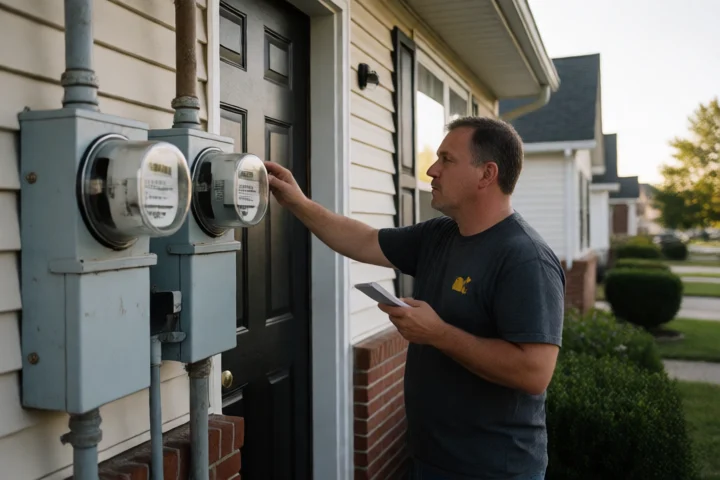
Suppose a Virginia renter receives notice that service will be disconnected that day. The immediate contact is the utility or other payee, with a request for a hold, extension, installment arrangement, fee waiver, or hardship plan. A provider response that stops the cutoff changes the cash problem at once, while a referral route and an employer option are pursued alongside it.
In a second illustrative household, a prescription, rent balance, or car repair is due several days ahead. That window supports benefits screening, community-aid referrals, local social-service applications, and a provider arrangement. Processing time still governs the choice: an application submitted today offers no protection by itself if the administering organization cannot respond before the due date.
Match the expense to a Virginia access route
Housing and utility emergencies begin with the landlord, property manager, utility, or service provider whose action threatens the household. Their hardship process, payment extension, or installment arrangement may reduce the amount needed immediately. A Virginia public-benefit portal, local social-service office, community-aid organization, or 211 referral route then serves as the assistance branch for the remaining gap.
Food and medical emergencies call for a different first contact. A food provider, medical office, pharmacy, hospital financial-assistance desk, or treatment provider may have a direct way to delay, reduce, or structure the charge; public benefits and local aid address the household need around it. For transportation needed to keep work or treatment in reach, the vehicle lender, repair provider, transit provider, or the organization arranging the appointment is the relevant payee-side contact.
An income gap points toward the employer when workplace terms allow wage access, a payroll advance, or an emergency fund. When partial assistance and a provider arrangement still leave a defined shortfall, regulated small-dollar credit belongs at the end of the branch, after repayment timing and total cost are clear. Combining smaller sources often fits an emergency better than expecting one program to cover every dollar.
Checking what can block or delay access
- A program’s reach may follow a Virginia locality, a utility territory, or a particular service provider. The resident’s address and the bill issuer shape eligibility.
- Funding availability changes. A listed program may have no open funds when the household applies.
- Providers commonly request proof tied to the expense and household situation, such as identification, an account or bill notice, income information, lease material, medical paperwork, or employment records. Missing documents slow a time-sensitive request.
- Office hours, rural transportation, branch access, and online application requirements affect the real response time. A directory referral identifies a lead, not confirmed aid.
- The administering organization needs to confirm both eligibility and the expected response time before its assistance is counted toward a deadline.
Building a first call and a fallback call
Record the deadline, the payee’s threatened action, the amount needed to prevent it, and the name of the first organization contacted. During that contact, request the specific hold, extension, hardship arrangement, or assistance available, then note the documents requested and the response time promised.
A second verified route belongs on the same note: a local assistance referral, benefits route, employer resource, another provider arrangement, or a carefully reviewed credit fallback. If the first organization cannot act in time, the household already has the next contact and a clear account of what remains unpaid.
Official pages used here
- Searching on Match — Match