
1. Fix the amount and deadline in writing
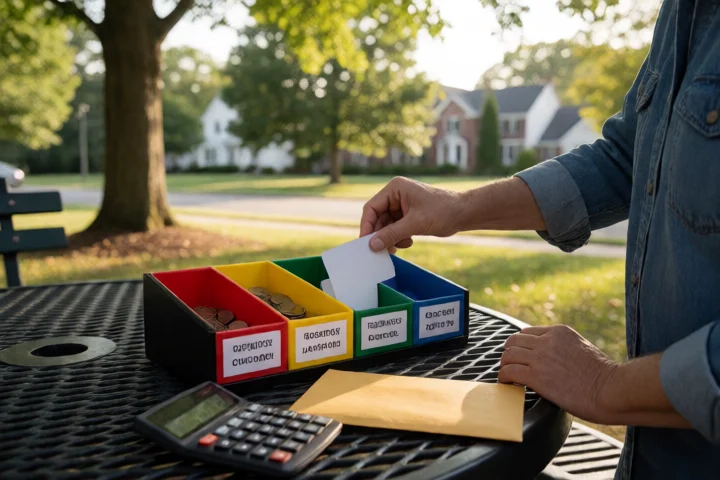
- Collect the signed agreement, disclosures, latest account history, payoff or balance statement, notices, payment schedule, due date and electronic-debit authorization. The Consumer Financial Protection Bureau advises borrowers to read the loan documents to confirm the repayment method, amount and timing.
- Record any mismatch between those documents and the lender's current statement, including a different amount, date or debit instruction. Record the discrepancy without deciding what legal effect it has.
- Save the lender's name, contact details and account number with the documents. Those details give the bank, counselor, attorney or regulator a usable starting record if the issue remains unresolved.
2. Protect expenses that cannot safely be displaced
- List housing, food, utilities, medicine and work transportation due before the next income date, along with their amounts and due dates.
- Subtract those essential obligations from the money actually available before that income date. Use only what remains for the payday-loan payment; if nothing remains, offer no payment.
- Do not accept a proposed payment that displaces rent, food, utilities, medicine or transportation to work. Because these short-term, high-cost loans are generally due on the next payday, their costs can make repayment difficult and contribute to repeat borrowing.
3. Send a specific hardship request
- Write to the lender and date the message. State that the scheduled payment would leave insufficient money for essential household expenses before the next income date.
- Request an itemized current balance, including the principal claimed, every charge, and the date each amount was added.
- Ask the lender to identify every available hardship or payment arrangement and give the proposed payment amount and due dates for each option.
- Request confirmation of whether any electronic debit is scheduled, its amount and date, and whether the lender will attempt further debits under the existing authorization.
- Use plain language: “I am requesting a written repayment arrangement. Please send my itemized balance, available hardship options, proposed payment dates and amounts, all additional charges, and the status of scheduled electronic withdrawals. Please confirm the final terms in writing.”
- Save the sent request and the lender’s reply. Do not provide new bank-account credentials before the written terms have been reviewed.
4. Handle the bank account as a separate decision
A payday lender may use a post-dated check or authorization for an electronic withdrawal. Revoking authorization addresses the lender's permission to make electronic withdrawals; a bank or credit union may also offer a stop-payment order. Stopping a preauthorized transfer does not cancel the underlying loan obligation.
If the debit has not occurred, ask the bank what notice, timing, identification and fee its stop-payment process requires. If a debit appears unauthorized or differs from the authorization, ask promptly about the bank's dispute process and its deadlines. A completed transfer and a future transfer involve different bank procedures, so the account record matters.
Keep the lender's written request and the bank's instructions together. Blocking a debit without resolving the balance leaves the debt and the lender's notices in place.
Can I stop a payday lender from electronically taking money out of my bank or credit union account?
5. Test the proposed arrangement before accepting
- Compare every installment with the payment ceiling set after essential expenses.
- Match each payment date to the income and expense dates already listed.
- Identify every added charge and calculate the full amount scheduled under the proposal.
- Check whether the lender receives future electronic-debit authority, and record the account and dates covered by that permission.
- Read the missed-payment consequences and whether the new arrangement replaces earlier instructions.
- Reject or renegotiate a proposal that still leaves essential expenses unpaid. Do not provide new account credentials before receiving and reviewing the written terms.
6. Close the record or escalate it
- Retain the final written arrangement, payment proof, messages, notices and bank records when the lender agrees to affordable terms. Record the date, representative and promised terms for any phone call, then request written confirmation.
- If the account is with a collector, preserve every notice and communication and confirm the collector's identity before discussing payment. Debt-collection issues can arise separately when a lender transfers or assigns an unpaid account.
- If the lender will not provide clear terms, organize a dated chronology with the agreement, balance records, debit authorization, bank records and correspondence. Take that file to a nonprofit credit counselor, attorney, bank dispute channel or appropriate regulator. Threats, unexplained charges, repeated unauthorized debits or court papers warrant prompt qualified legal or regulatory help; escalation does not itself pause a deadline.
Reference links
- Code of Virginia — Chapter 18: Short-Term Loans — Virginia Legislative Information System
- Why did my payday lender charge me a late fee or a non-sufficient funds fee? — Consumer Financial Protection Bureau