
Start with the amount and the timing gap
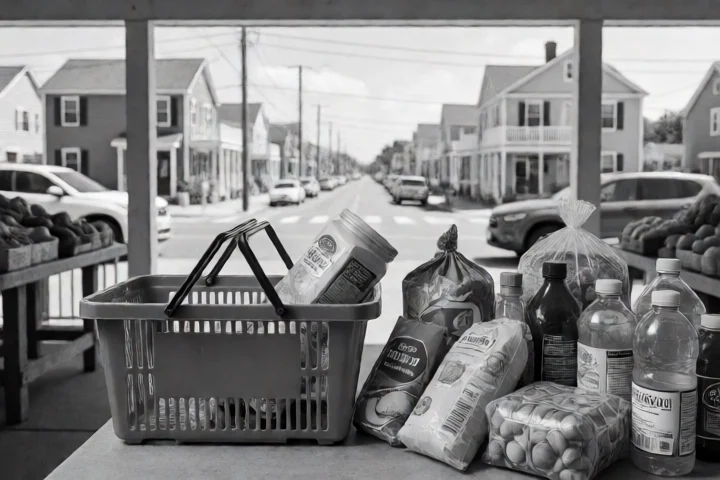
Start with the bill in front of you. A $380 repair bill due Friday, with $140 already available, creates a $240 gap. That figure—not a lender’s larger offer—sets the borrowing target. Then place the next pay deposit, benefit payment, or other dependable income beside the loan’s first due date. If repayment would leave your ordinary bills short, the loan shifts the problem forward.
Write four numbers in one place: the expense, money already available, the remaining gap, and the income left after essential bills on the repayment date. Add a fallback as well. A fallback is a concrete source of room in the budget, not optimism about picking up extra hours. Cash loans work on a schedule, so timing carries as much weight as the amount borrowed.
Virginia’s short-term-loan rules cover principal amounts from $100 through $2,500 and terms from four through 24 months. Those boundaries do not establish affordability for you. A longer term spreads payments across more dates, while fees and interest still shape the full repayment figure.
A local lens for access, work, and payment timing
For someone searching across Norfolk and Norfolk County, the governing short-term-loan framework comes from Virginia law, while the ways to shrink a household gap depend on nearby services and the reason for the expense. That changes the comparison. A grocery shortfall, an energy bill, and an uncovered medical cost may need cash on the same day, yet each has a different possible source of help.
Norfolk Department of Human Services provides a local entry point for human-services programs and referrals. 211 Virginia directs people to location-specific food, housing, utility, health, and other community resources. These routes do not promise immediate funds, but they matter because every expense covered elsewhere reduces the amount financed.
Food assistance has a particularly direct budget effect. The Foodbank of Southeastern Virginia and the Eastern Shore serves its regional area; groceries obtained through its network leave more of a household’s own cash for a utility bill, transportation, or a repair. That is a real change in the loan calculation, not a side note.
Foodbank of Southeastern Virginia and the Eastern Shore — official information · 211 Virginia — official information
Compare the full repayment, not the headline amount
Record every scheduled payment, add them, and subtract the amount received. Then mark the date and amount of each payment against your actual income dates. A lower-looking payment loses its appeal when it arrives before the money to cover it.
Virginia permits licensed short-term lenders to charge simple interest up to 36 percent per year, a monthly maintenance fee up to 8 percent of the original loan amount or $25, whichever is less, and an origination fee up to $75, subject to statutory limits. The agreement supplies the actual charges and payment schedule.
| Comparison Point | Offer A | Offer B | Why It Matters |
|---|---|---|---|
| Cash received | Amount deposited or handed to you | Amount deposited or handed to you | |
| Scheduled repayment | Add every installment shown in the agreement | Add every installment shown in the agreement | The larger sum shows what leaves your budget over the loan term. |
| Payment timing | Match every payment deadline to the income deposit intended to cover it | Match every payment deadline to the income deposit intended to cover it | A due date that lands before income creates a new shortfall. |
| Charges | Interest, maintenance fees, origination fee, and stated payment-related charges | Interest, maintenance fees, origination fee, and stated payment-related charges | Separate fees are part of repayment even when the advertised cash amount matches. |
| Exit terms | Early payoff, cancellation, and authorization terms | Early payoff, cancellation, and authorization terms | These terms govern what happens if your plan changes after signing. |
When repayment timing changes the answer
Repayment timing turns on ordinary events, which is why a loan that looks manageable in a monthly total can strain a single week.
Suppose a Norfolk worker needs a vehicle repair to keep getting to work. The repair shop needs $450 before the next shift, and the worker expects $600 in wages eight days later.
The worker places the loan’s first payment next to rent, groceries, fuel, and the repair-related loan payment. If those obligations consume the $600, the repair protects work attendance while repayment creates the next emergency.
The workable amount is the portion that fits after those bills, even if the repair invoice is higher. A partial payment arrangement with the shop changes the gap more cleanly than borrowing beyond that limit.
Suppose a Norfolk household faces an out-of-pocket medical visit and travel expense before a payroll deposit. The combined bill is $325, while the household has $125 available.
A $200 gap appears, but the next payroll date falls close to a utility due date and an automatic debit. The household’s repayment test has to include both obligations, not just the medical bill.
A smaller gap after payment timing, a provider arrangement, or assistance is less likely to crowd out routine bills. The uncomfortable part is simple: a loan payment does not make the utility due date disappear.
Suppose reduced shift hours leave a Norfolk renter short on a bill due three days before the next regular paycheck. The renter expects the usual schedule to resume later in the month.
Future hours do not cover the first payment unless they produce income before that payment date. The budget therefore uses the known paycheck, not a hoped-for schedule change.
That distinction helps prevent repeat borrowing to cover the first loan. A temporary cash gap needs a repayment source with an equally concrete date.
Other ways to close or shrink the gap
A loan does not have to carry every dollar of an emergency. Splitting a bill, moving a due date, or covering food through a local network changes the amount that needs financing. Availability, eligibility, and timing vary, so these are routes to explore alongside a loan offer, not promised replacements for one.
| Route | Speed | Likely Cost Category | Eligibility Friction | Risk |
|---|---|---|---|---|
| Bill payment arrangement | Timing turns on the provider's processing rules and the payment deadline | Often lower than new loan charges | Requires contact with the provider and its agreement | An arrangement that still exceeds the next-pay budget leaves the gap unresolved. |
| Norfolk human-services or Virginia assistance referral | Varies by program, need, and application process | No loan interest when assistance applies | Program rules, documentation, and availability apply | Assistance timing may not match an immediate deadline. |
| Food assistance through the regional foodbank network | Depends on local distribution access | No loan interest | Local service arrangements apply | It addresses grocery spending, not every type of bill. |
| Credit-union or community financing category | Varies by institution and product | Terms vary by provider | Some options require an existing relationship, approval review, or account setup | A payment still needs room in the household budget. |
Foodbank of Southeastern Virginia and the Eastern Shore — official information · 211 Virginia — official information
Where a manageable payment can become a rollover
Trouble usually begins when the payment date arrives before the budget has recovered. A borrower then faces a choice between an essential bill and the loan payment, and a new borrowing need follows. Virginia law restricts refinancing, renewals, extensions, and consolidations of short-term loans except where the statute allows. That protection does not erase the budget strain created by an unaffordable first payment.
Automatic electronic repayment deserves the same attention as the payment amount. Read the authorization terms, the process for cancelling an authorization under the statutory terms, and any stated consequences for a late or returned payment. Unclear charges, missing repayment dates, or a lender that will not supply the loan agreement are reasons to stop before accepting.
Virginia gives a short-term-loan borrower a right to rescind by close of business on the next business day after the loan is made, subject to returning the proceeds as the statute specifies. That window is useful only if the agreement is already in hand and the repayment obligation is understood.
The last review before accepting loan terms
This final review turns a vague need for cash into a go-or-stop decision based on dates, dollars, and the lender’s actual terms.
- Match the requested amount to the remaining bill after cash already available and any confirmed payment arrangement; stop if the request includes money with no stated purpose.
- Confirm the lender’s company record through NMLS Consumer Access; stop if the business name on the offer does not match the record you find.
- Read the loan agreement before acceptance; stop if it does not state the amount received, scheduled payments, due dates, and charges.
- Add every scheduled payment and compare that total with the amount received; stop if the repayment figure is missing or you cannot reproduce it from the agreement.
- Place each due date beside known income and essential bills; stop if a payment requires money already committed to rent, food, utilities, transportation, or medical needs.
- Read the cancellation, early-payoff, electronic-payment authorization, late-payment, and returned-payment terms; stop if a term remains unclear.
- Limit the personal information shared to what the lender’s application requires and read the privacy terms before submitting it.
- Name the fallback if expected income arrives late or an essential bill rises; stop if the fallback is another short-term loan.
Where to check the figures
- Consumer Financial Protection Bureau — official information — Consumer Financial Protection Bureau